



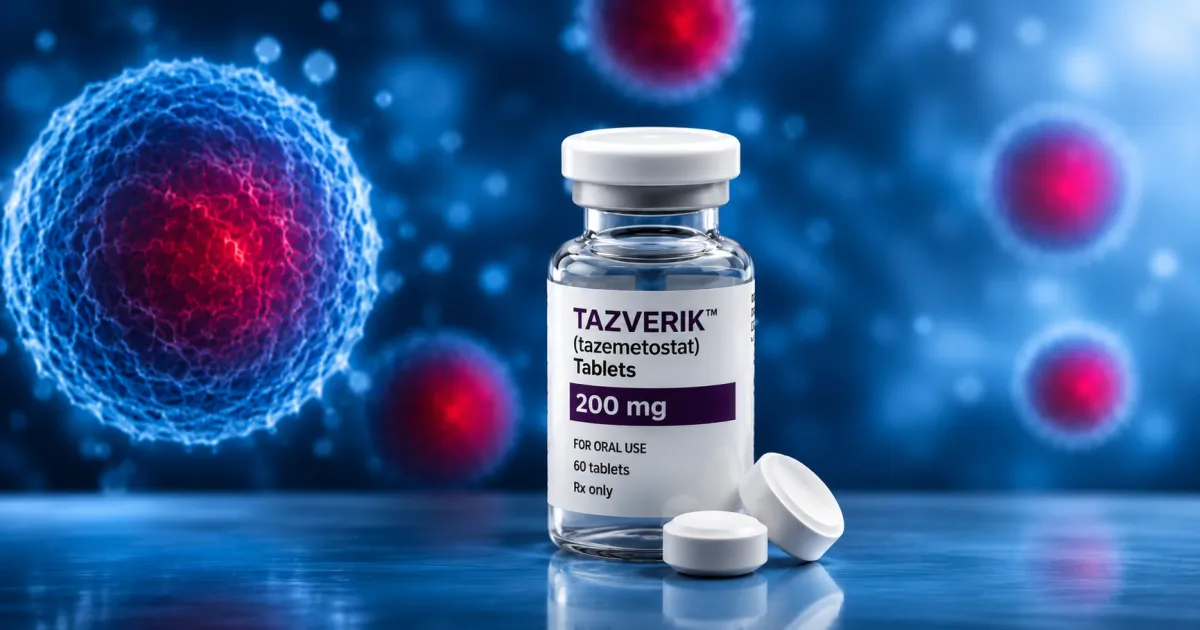
FDA Announces Tazverik Recall After Increased Risk of Serious Blood Cancers Discovered
For many cancer patients and their families, treatment decisions involve difficult choices and a great deal of trust. Patients trust that medications approved by the U.S. Food and Drug Administration (FDA) have been thoroughly evaluated for safety and effectiveness. Unfortunately, new safety information can sometimes emerge after a drug reaches the market.
Recently, the FDA announced that Tazverik (tazemetostat) is being voluntarily withdrawn from the market after new research revealed an increased risk of developing serious blood cancers among some patients who received the medication.
If you or a loved one has taken Tazverik, understanding this announcement and knowing what steps to take next may be important.
What Is Tazverik?
Tazverik, also known by its generic name tazemetostat, was first approved by the FDA in 2020.
The medication was approved to treat certain rare and difficult-to-treat cancers, including:
·Metastatic or locally advanced epithelioid sarcoma
·Certain forms of relapsed or refractory follicular lymphoma
Because these conditions often have limited treatment options, Tazverik was approved through the FDA’s accelerated approval process. This pathway allows promising medications to become available sooner while additional safety and effectiveness data continues to be collected.
At the time of approval, researchers were aware that there was a potential risk of developing secondary cancers. However, the risk was believed to be relatively low.
New research has now changed that understanding.
Why Is Tazverik Being Removed From the Market?
The FDA recently announced that additional clinical trial data showed a significantly higher rate of serious blood cancers among patients who received Tazverik than previously recognized.
The findings came from a large clinical study known as the SYMPHONY-1 trial.
According to the FDA, 18 of 318 patients receiving Tazverik developed serious hematologic second primary malignancies, or new blood cancers. This represented approximately 5.7% of patients in the treatment group.
By comparison, no patients in the control group developed these conditions.
Based on these findings, researchers determined that the risks associated with Tazverik outweighed its potential benefits.
As a result:
·Enrollment in the study was stopped
·Current participants were directed to discontinue treatment
·Expanded access programs were terminated
·The manufacturer announced plans to withdraw Tazverik from the United States market
What Types of Blood Cancers Were Reported?
The blood cancers identified in the study were serious, life-threatening conditions.
Reported diagnoses included:
Myelodysplastic Syndrome (MDS)
MDS is a disorder in which the bone marrow does not produce healthy blood cells properly. The condition can lead to severe anemia, infections, and bleeding complications.
Acute Myeloid Leukemia (AML)
AML is an aggressive blood cancer that develops rapidly and often requires intensive treatment.
B-Cell Acute Lymphoblastic Leukemia
This form of leukemia affects white blood cells and can progress quickly without treatment.
Clonal Cytopenia of Undetermined Significance
Although not always considered cancer itself, this condition may represent a serious blood disorder and can increase the risk of future malignancies.
The FDA noted that many of these conditions did not resolve after diagnosis and, tragically, several deaths were reported among affected patients.
When Did These Blood Cancers Develop?
One particularly concerning aspect of the FDA’s announcement is the timing of these diagnoses.
According to the agency:
·Some patients developed blood cancers as early as 7.5 months after beginning treatment.
·Many cases occurred after one to three years of treatment.
·Some patients developed these conditions even after discontinuing Tazverik.
This means patients who previously received the medication may still need ongoing monitoring and medical follow-up.
What Should Patients Do?
Patients should not stop, start, or change cancer treatments without speaking to their physicians.
However, individuals who have taken Tazverik should consider discussing the FDA announcement with their healthcare providers.
Patients may wish to ask:
·Whether additional monitoring is appropriate
·What symptoms should be reported immediately
·Whether blood testing is recommended
·Whether alternative treatment options are available
Healthcare providers can help determine the most appropriate course of action based on an individual’s medical history and current condition.
Why Drug Safety Monitoring Matters
The Tazverik withdrawal serves as an important reminder that drug safety monitoring continues long after a medication reaches the market.
While accelerated approval programs can provide access to promising therapies, additional studies often reveal information that was not fully understood during the initial approval process.
Ongoing research, adverse event reporting, and long-term patient monitoring all play critical roles in identifying previously unknown risks.
These systems help protect patients and ensure that medical decisions are based on the most current information available.
Understanding Your Legal Rights
When a medication causes serious and unexpected injuries, patients and their families often have questions about accountability and legal rights.
Every situation is unique. Whether legal action may be appropriate depends on many factors, including the individual’s medical history, diagnosis, treatment timeline, and the specific circumstances involved.
Individuals who believe they may have suffered complications related to a dangerous medication should consider seeking information about their options.
We’re Here to Help
At Nelson, Bryan, Boylen & Cross, we understand the challenges patients and families face when dealing with serious medical conditions and unexpected treatment complications.
Our firm is committed to helping individuals understand their rights and make informed decisions when concerns arise involving potentially dangerous drugs and medical products.
If you or a loved one received Tazverik and have questions regarding this FDA announcement, we encourage you to stay informed, maintain communication with your healthcare providers, and seek guidance regarding your options.
Contact Nelson, Bryan, Boylen & Cross
Nelson, Bryan, Boylen & Cross
1801 Corona Ave.
Jasper, AL 35501
Phone: (205) 387-7777
Website: www.nbbclaw.com
Experienced. Dedicated. Trusted. We Fight for You.
